
An adult pours the water
Quick, dry, and over in four seconds. The child watches a wrist she is not learning to use.

Programs·Two-Year-Olds2 – 3 years
"Me do it!" becomes a powerful engine for learning. Children build language, independence, social-emotional skills, early STEAM thinking and persistence through purposeful play — and this is where we begin introducing The CAPE Method™, in its very simplest form.
Twos want a job. We give them real ones.
Practical work
Pouring, scooping, planting, sweeping, setting the table. Real tools, child-sized, with real consequences when they tip.
First investigations
One question a week, asked at their level: which of these floats? What happens if we leave it in the sun?
Playing near, then with
Parallel play turns into cooperative play this year. Teachers coach the handover — asking, waiting, trading — rather than settling disputes for them.
Routines you can trust
Same order, same songs, same signals. Independence grows out of predictability, not out of being pushed.
Language takes off
Stories, songs, conversations, and questions fill the day. Teachers introduce new words and give children time to use them—because two-year-olds have a lot to say.
Early STEAM
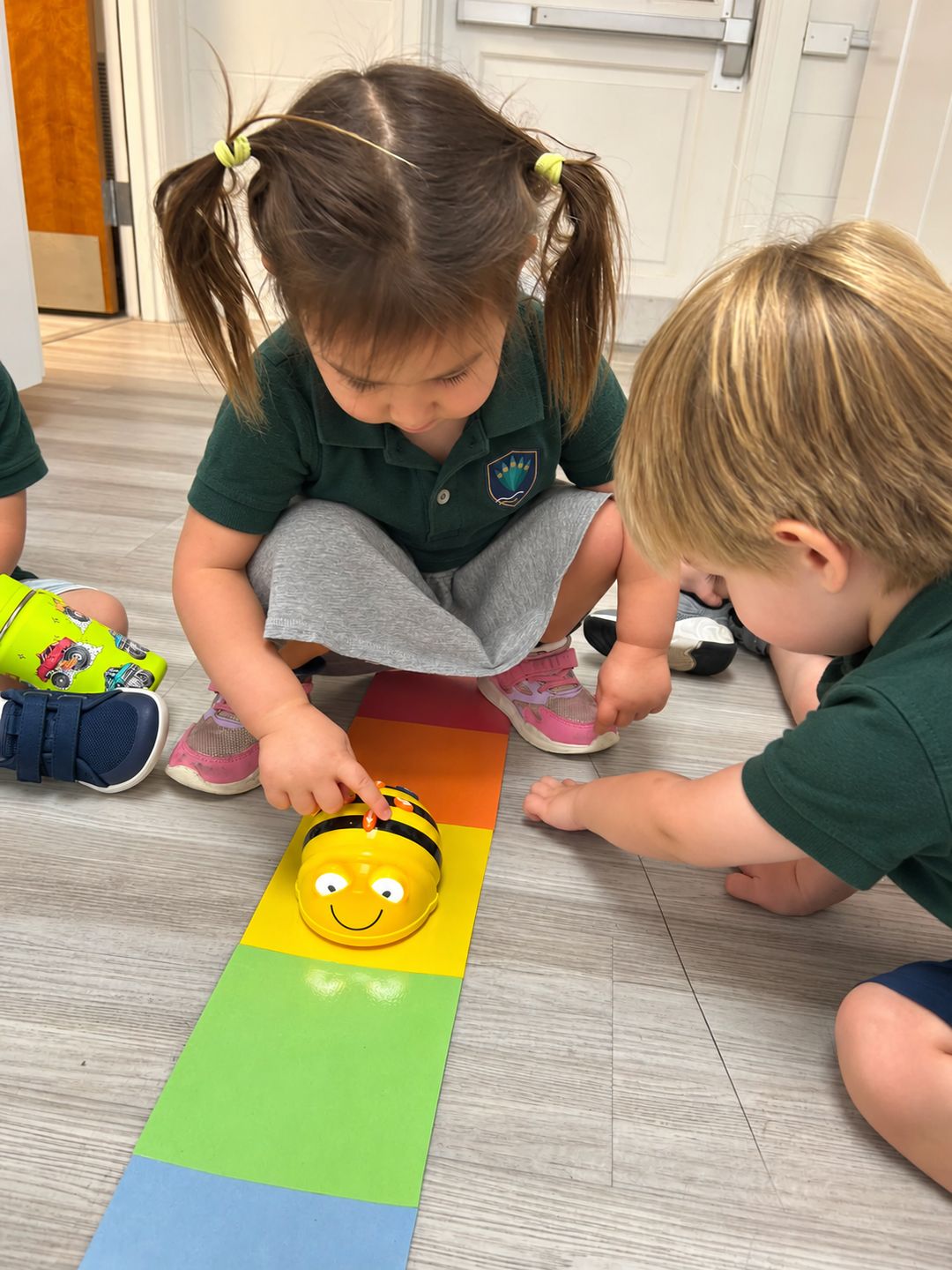
Building, mixing, sorting, measuring, and testing turn curiosity into discovery. Children explore cause and effect through experiences they can touch, move, and change.
Art & creative expression
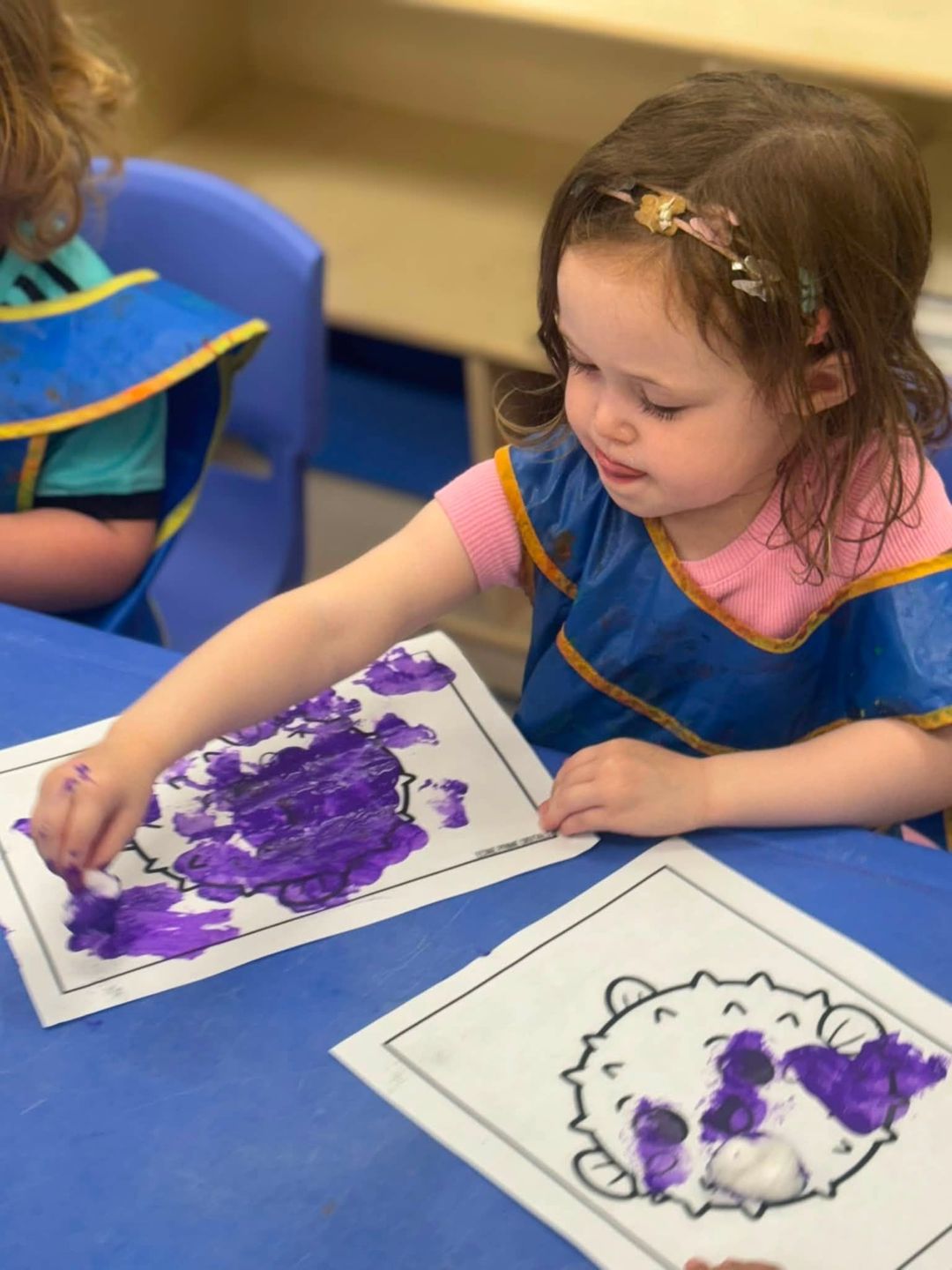
Paint, clay, music, movement, and open-ended materials give children ways to experiment, make choices, and express ideas without every project looking the same.
Potty-learning partnership
Toilet learning happens in partnership with families. Teachers provide consistent routines, encouragement, and patience while respecting each child's individual readiness.
See the Two-Year-Old Room Rhythm of the Day →
Read more on our blog: Preschool for 2-Year-Olds in Winter Park →
The Winter Park School · Two-Year-Old Room
7:00 AM–6:00 PM · Big questions, small groups and lots of room to try things out
what if we try it this way?
7:00–8:00
Arrival, handwashing, busy bags; breakfast done by 8:00
Communication and independence
8:00–9:00
Centers: blocks, pretend play, puzzles, books
Exploration, choice and social play
9:00–9:15
Morning circle and story
Language, listening and community
9:15–9:30
Music and movement
Rhythm, coordination and joy
9:30–9:40
CAPE literacy
New words, sounds and books
9:40–10:00
CAPE math
Counting, sorting and patterns
10:00–10:30
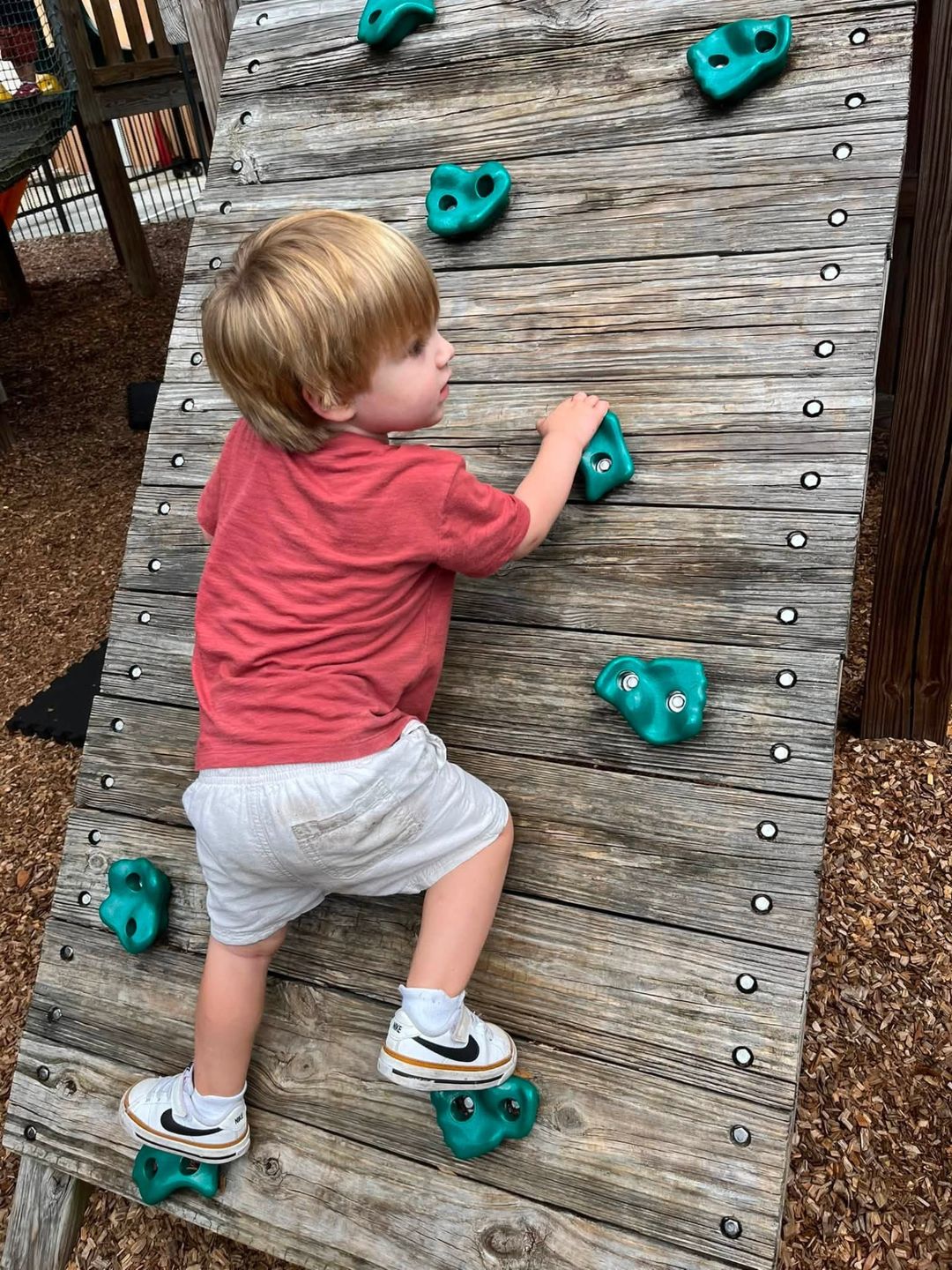
Outdoor learning and gross-motor play
Large-muscle movement and peer play
10:30–10:45
Transition: handwashing, toileting and diapering
Self-help skills and routines
10:45–11:00
Social-emotional learning
Feelings, empathy and friendship
11:00–11:30
LITTLE ATELIERSmall groups rotate; centers and diapering
Hands-on making and collaboration
11:30–12:00
Handwashing and lunch
Healthy habits and conversation
12:00–12:15
Clean up, toileting and nap preparation
Responsibility and care routines
12:15–2:00
Nap and rest
Rest and self-regulation
2:00–2:30
Wake-up, toileting and snack
Self-help and a calm return
2:30–2:45
STEAM and fine-motor activities
Observation and hand strength
2:45–3:00
Creative activities
Imagination and expression
3:00–3:30
Outdoor time
Gross-motor play and exploration
3:30–3:45
Transition and handwashing
Healthy routines
3:45–4:15
PROJECT BLOCKOne question explored over weeks
Curiosity, persistence and teamwork
4:15–4:30
Music and movement
Rhythm and coordination
4:30–4:45
Creative projects
Making and creativity
4:45–5:00
Fine-motor practice
Focus and hand control
5:00–6:00
Afternoon centers, stories, play and goodbyes
Choice, early literacy and family time
Meals & snacks
No bottles, sippy cups or pacifiers in the two-year-old room. No food after 8:00 a.m., except scheduled meals and snacks.
Health & toilet learning
Wash hands on arrival, before meals, and after outdoor play and toileting. Toilet practice is part of the day; children move to the threes once independent in the bathroom.
Connection
Teachers engage with children during transitions and sit with them at meals to talk and socialize. No toys from home.
Rainy days: parachute, balls, bubbles and thinking cards · Outdoors 10:00–10:30 and 3:00–3:30 · Little Atelier 11:00–11:30 · Project block 3:45–4:15
Schedule is a guide and may change to best meet children’s needs. · Curiosity leads the way. ⭐ Updated November 2026
Under the play
Not four steps to memorize. Four questions a two-year-old can already answer, asked out loud by an adult until the child starts asking them alone.
Challenge · "What are we trying to figure out?"
Held to something they can see and touch: the tower keeps falling; the water goes everywhere.
Analyze · "What could we try?"
One idea is enough at this age. The teacher’s job is to take it seriously.
Produce and Evaluate · "Did that work?"
The whole cycle takes four minutes at two years old. By six it takes six weeks. It is the same cycle.
“Me do it”
The difference between a two-year-old who is served and a two-year-old who serves themselves is one adult decision, made forty times a day. Flip the switch to see both versions of the same minute.
An adult pours the water
Quick, dry, and over in four seconds. The child watches a wrist she is not learning to use.
She pours the water
A moment from this room
Three twos decided the doll needed a bed. The first attempt was a book, which was too hard. The second was a folded towel, which worked. A teacher wrote both attempts on the wall chart, in that order, with the failed one first.
"I did it myself" — said about the second attempt.
Small groups, capped by room. Most families move into this room around the second birthday, when they are ready rather than on a date. Potty learning is supported, never rushed.
Programs & ages
Every age, one method. Pick a room.
Twenty minutes in this room on an ordinary weekday morning will tell you more than this page can.